Classroom Environment
Classroom dynamics change from classroom-to-classroom in terms of learning styles, motivation and energy levels. I believe an encouraging and fun classroom environment fosters student motivation. To maximize learning, students need to feel comfortable and trust both their teacher and classmates. I believe it is imperative for teachers to take on multiple roles - teacher as participant, counselor, motivator, guide, and facilitator.
Teacher as Participant and Counselor
Building relationships with my students is one of my highest priorities, and starts at the very outset of a course. For example, I use a variety of ice-breaker activities such as two truths and a lie, find someone who …, and snowball. As courses progress and students feel more comfortable with each other, I use other out-of-seat activities such as prove it. Since the purpose of these activities is to build relationships with and between my students, I am an active participant. Recognizing students’ unique characteristics bonds both teachers and classmates, making for a comfortable, friendly and fun environment.
Teacher as Motivator and Guide
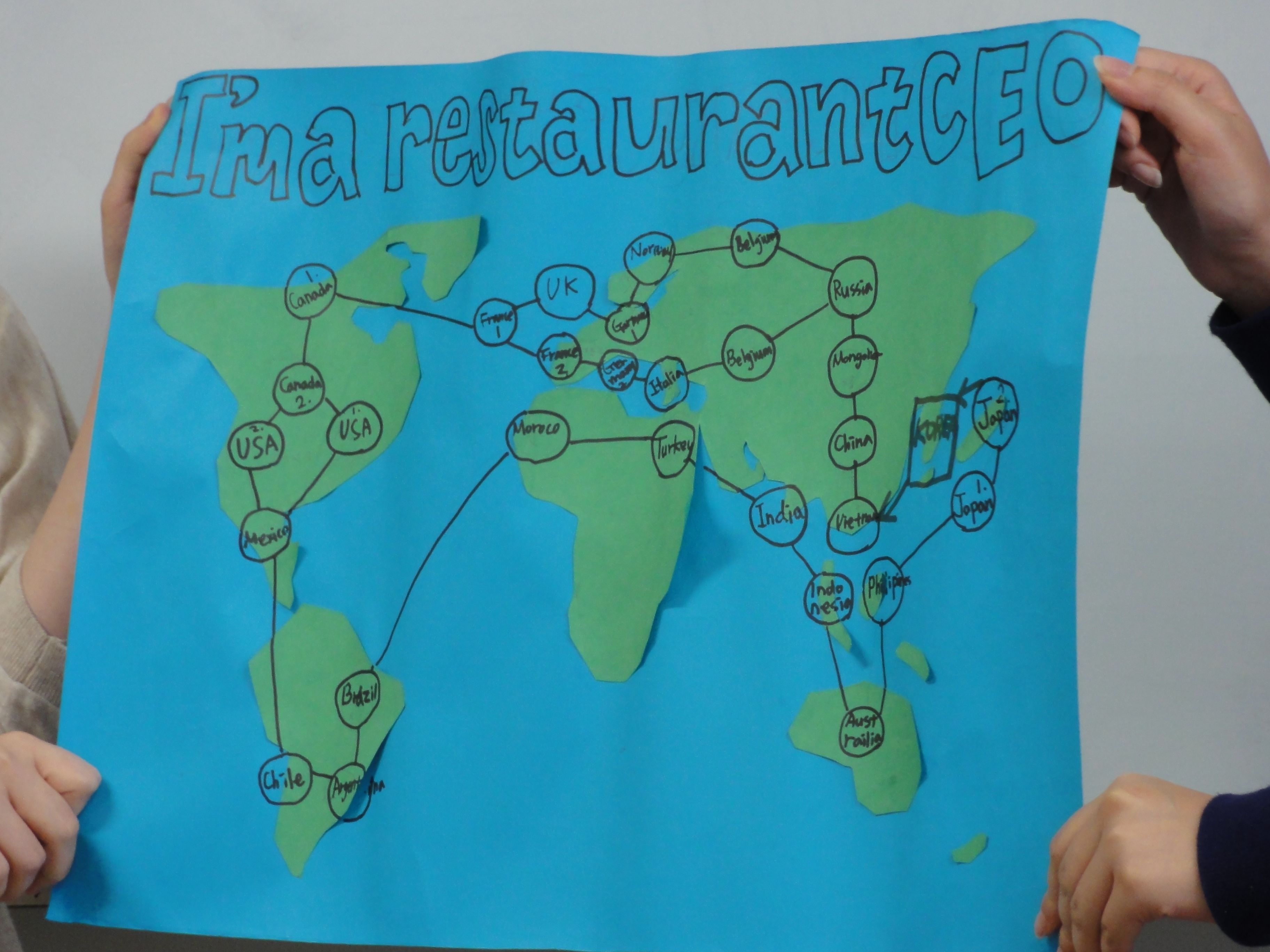
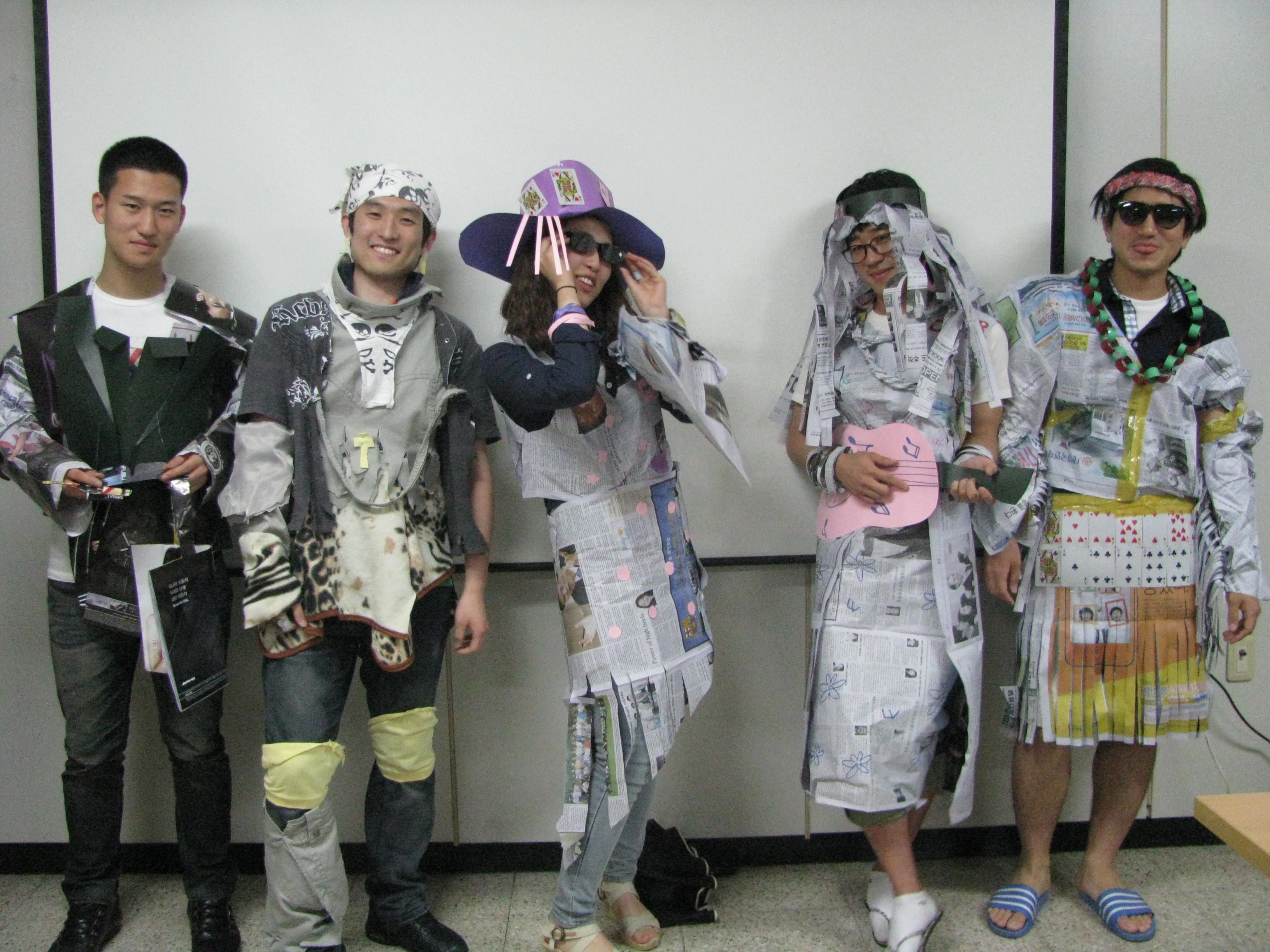
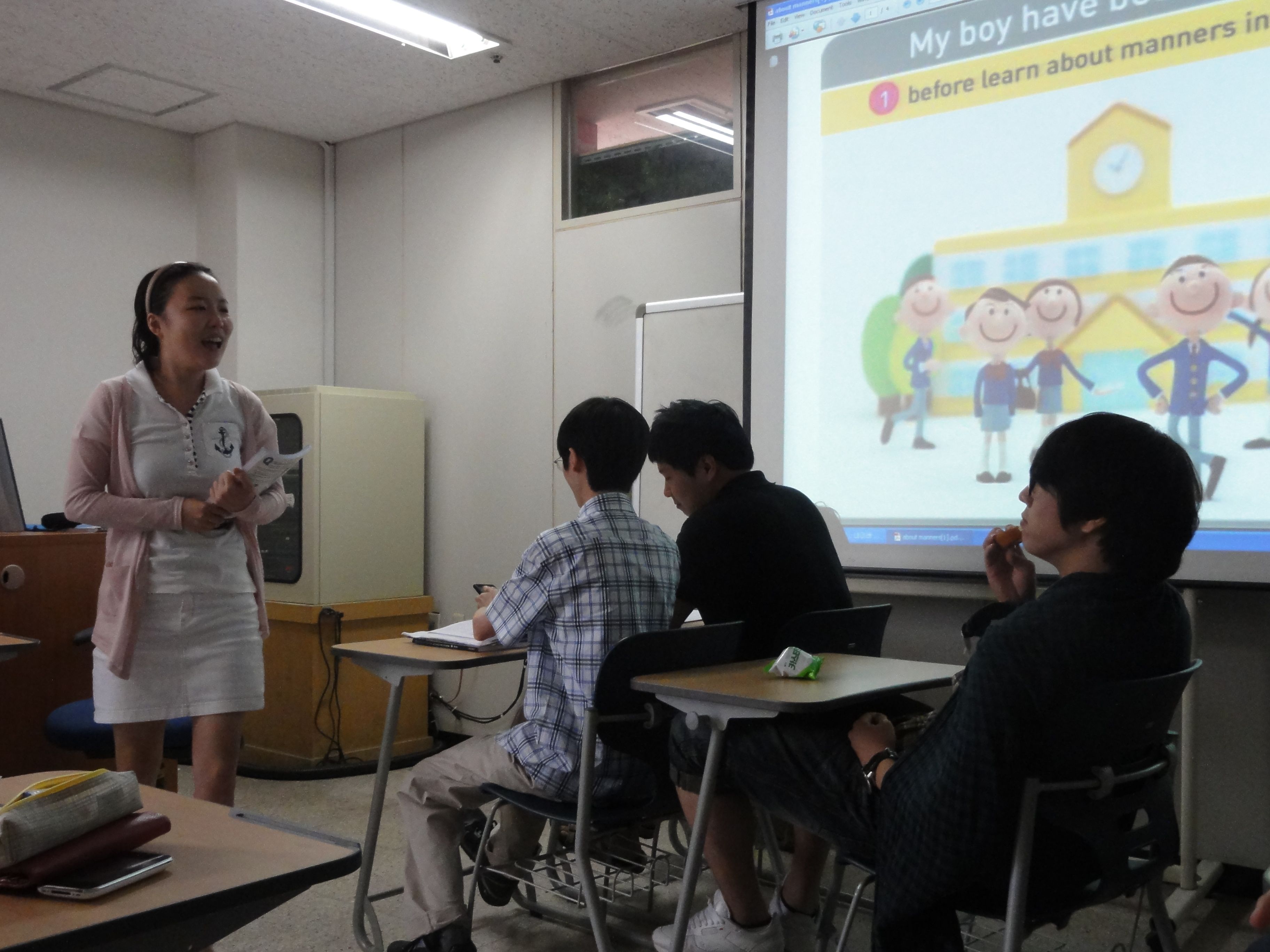
While teaching in South Korea I experimented with several techniques for creating the best possible classroom environment. I played music during classroom conversation activities so that students felt at ease while speaking. I incorporated stories about myself to capture student curiosity and build relationships with them. Students further worked individually and in groups to do project work, such as designing board games, a fashion show, and teaching the class about cultural topics. These interactive activities challenged students, yet motivated them to be innovative, autonomous and professional learners.
Teacher as Facilitator
Maneuvering between technology and traditional white-board teaching practices keeps instruction varied and interesting, and caters to different learning styles and needs. Approaches include using PowerPoint presentations, the white-board, an overhead projector, and allowing students to use their phones in class. I often hesitate to incorporate cell phones in class activities, but under controlled situations it can make learning fun. When I co-taught an Italian lesson at York School I had students use their cell phones to participate in an anonymous PollEverywhere activity. As a segue for learning Italian numbers, students texted in 3 situations in which one would need a telephone number. This activity created a fun environment for both introverted and extroverted students to participate and make their voices heard.
To create a fun and motivating environment, I design lessons that promote exploration beyond the classroom and connect students to local communities. For example, when I taught a beginner Braille lesson, I had students find a place in Monterey, California, that had Braille. Students had to: (1) take note of where they saw it, (2) write down the word or sentence and (3) decode it into roman characters. This gave learning Braille a context and further fostered students’ connections with their local community. A lesson I taught on California State and National Parks additionally connected students to natural beauty and outdoor activities in their local community. It raised their awareness and curiosity to explore local resources.
To create the best learning environment, my teaching involves taking on different teacher roles and leading out-of-seat lessons. I strongly believe student interaction and connecting students to local communities contributes to higher student motivation by cultivates a friendly, fun, and exploratory environment.